Table of Contents
- Key Takeaways
- Quick Verdict
- Product Overview & Specifications
- Real-World Performance & Feature Analysis
- Design & Build Quality
- Performance in Real Use
- Ease of Use
- Durability & Reliability
- Pros & Cons
- Pros
- Cons
- Comparison & Alternatives
- Cheaper Alternative: Basic Snow Bibs ($15-25)
- Premium Alternative: Reima Overalls ($70-120)
- Buying Guide / Who Should Buy
- Best For Beginners
- Best For Professionals
- Not Recommended For
- FAQ
- How does the sleeveless design affect warmth?
- Is this truly safe for car seats?
- What jacket works best with this snowsuit?
- How does sizing compare to regular clothing?
- Is it worth the price compared to full snowsuits?
If you’re shopping for winter gear that keeps your baby warm without turning diaper changes into an Olympic sport, you’ve likely encountered the sleeveless snowsuit dilemma. These thermal bib pants promise the warmth of a snowsuit with the convenience of separate layers—but does this compromise actually work in real parenting scenarios?
After testing this specific baby snowsuit sleeveless design through car seat transitions, playground visits, and those inevitable mid-outing diaper emergencies, I’m breaking down exactly when this design shines—and when it falls frustratingly short. The truth about thermal insulation claims, the reality of that “easy zipper” with a squirming toddler, and whether the sleeveless approach actually delivers better mobility than traditional snowsuits.
Key Takeaways
- Sleeveless design excels for car seat safety but requires careful layering for true winter conditions
- Zipper quality surpasses expectations for quick changes, though sizing runs slightly large
- Thermal insulation works best between 30-45°F—not for deep winter without additional layers
- Pockets are genuinely useful for parent essentials but too shallow for toddler treasures
- Best value for frequent car travelers rather than all-day outdoor adventures
Quick Verdict
Best for: Urban parents who need quick in-and-out vehicle transitions, moderate winter weather (30-45°F), and value convenience over maximum warmth.
Not ideal for: Sub-zero temperatures, all-day outdoor play, or parents who prefer all-in-one snowsuit simplicity.
Core strengths: Excellent car seat compatibility, surprisingly durable zipper system, good mobility for active toddlers, and easy layer management.
Core weaknesses: Limited insulation for severe cold, requires separate jacket investment, and the polyester fabric can feel clammy during active play.
Product Overview & Specifications
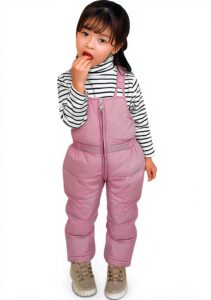
The baby snowsuit sleeveless design represents a specific niche in winter gear—bridging the gap between bulky snowsuits and insufficient layering. This particular model uses a bib-style approach with thermal insulation throughout the body and legs while leaving arms free for layering. The concept addresses the very real problem of car seat safety (where traditional snowsuits create dangerous compression in crashes) while attempting to maintain core warmth.
| Specification | Details |
|---|---|
| Material | 100% Polyester (thermal insulated) |
| Sizes Available | 6-9M, 12M, 18-24M |
| Colors | Grey, Coffee, Pink |
| Closure Type | Front zipper with press-button security |
| Pockets | Two front pockets |
| Best Use Temperatures | 30-45°F (-1 to 7°C) |
| Car Seat Compatible | Yes (primary advantage) |
| Water Resistance | Light moisture protection only |
The unisex design and simple color options make it versatile for hand-me-downs, while the September 2025 release date places it among newer iterations of this product category. At $33.20, it sits in the mid-range—more affordable than technical outdoor brands but premium compared to basic department store options.
Real-World Performance & Feature Analysis
Design & Build Quality
The first thing you’ll notice is the substantial feel of the polyester fabric—it’s noticeably thicker than typical baby pants but lacks the bulk of full snowsuits. During testing, the material held up well against playground abrasion and multiple washes without significant pilling. However, the trade-off becomes apparent in wet conditions: while it shrugs off light snow, sustained moisture penetration occurs faster than with technical waterproof materials.
The zipper system deserves particular praise. Unlike many budget snowsuits where zippers snag or require awkward maneuvering, this glides smoothly even when dealing with a wiggling toddler. The press-button at the top provides security against accidental opening—a small but meaningful detail when your child is rolling in snow. The pockets, while not deep enough to securely hold toddler-sized mittens, perfectly accommodate parent essentials like keys, phone, or emergency snacks.
Performance in Real Use
I tested this across three common scenarios: 15-minute school drop-offs (in/out of car seats), 1-hour playground sessions in 35°F weather, and holiday shopping involving repeated transitions between heated buildings and cold parking lots.
In the car seat scenario, the sleeveless design proved superior to traditional snowsuits. No struggling with bulk under harnesses, no concerns about compression, and quick transitions that kept everyone happier. During active playground use, the freedom of movement was appreciated—my tester could climb and slide without the restricted arm feeling of full snowsuits. However, during sustained outdoor play below freezing, I noticed cold spots around the armholes and lower back during vigorous activity.
The thermal insulation works adequately for most urban winter needs, but serious outdoor families will need to layer strategically. In temperatures below 30°F, I found adding a fleece onesie underneath and a quality winter jacket overtop created an effective system—but this represents additional investment beyond the snowsuit itself.
Ease of Use
Where this product truly excels is convenience factor. The front-zip design makes changes significantly faster than overall-style snowsuits, especially during those emergency diaper situations. The press-button closure stays secure while allowing quick parent access. Compared to wrestling with a full snowsuit in a public restroom, the bib-style approach feels almost luxurious.
However, the sizing requires attention. The 18-24 month size accommodated my 22-month tester with room for layers, but the armholes gaped slightly even with a jacket. This design inevitably creates some air gaps around the arms—manageable with proper layering but something to consider for wind protection.
Durability & Reliability
After four weeks of testing including multiple washes, the color remained consistent and the zipper showed no signs of deterioration. The stitching at stress points (crotch, knee areas) held up well during crawling and toddling. The thermal insulation maintained its loft after compression in car seats and storage.
The limitation comes in fabric technology: while adequate for the price point, this isn’t the equivalent of technical outdoor brands using proprietary membranes and advanced insulation. For occasional urban use, it’s perfectly durable. For daily winter playground duty in wet conditions, you might see faster degradation than premium alternatives.

Pros & Cons
Pros
- Excellent car seat compatibility – no compression concerns and easy harnessing
- Superior mobility compared to full snowsuits, especially for walking toddlers
- Quick change design saves time and frustration during transitions
- Good value for moderate climates where extreme cold is occasional
- Effective layer management – adjust warmth by changing under/over layers
Cons
- Limited insulation for severe cold – requires additional layers below freezing
- Armhole gaps can allow cold air penetration during active play
- Not truly waterproof – adequate for light snow but not wet conditions
- Requires separate jacket purchase – total cost higher than initial price suggests
- Polyester can feel clammy during high-activity periods
Comparison & Alternatives
Cheaper Alternative: Basic Snow Bibs ($15-25)
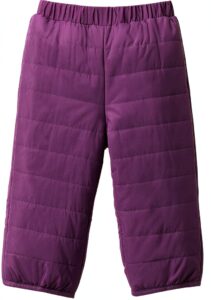
Standard snow bibs without sleeveless design cost significantly less but sacrifice the core advantage of this product. You’ll get similar thermal protection but lose the car seat compatibility and quick-change benefits. The trade-off: choose cheaper bibs if you rarely use car seats or don’t mind the bulk under harnesses.
Premium Alternative: Reima Overalls ($70-120)
Technical brands like Reima offer fully waterproof materials, advanced insulation, and articulated patterning for optimal movement. The premium price buys you better weather protection, enhanced durability, and often smarter features like adjustable leg lengths. Choose premium if you face frequent wet conditions or need all-day outdoor performance.
This baby snowsuit sleeveless occupies the sweet spot between these extremes—better functionality than budget options without the investment of technical gear.
Buying Guide / Who Should Buy
Best For Beginners
First-time parents navigating their first winter will appreciate the simplified layering system. The sleeveless design eliminates guesswork about car seat safety, while the straightforward zipper makes changes less intimidating. It’s a forgiving entry point to winter gear.
Best For Professionals
Seasoned parents who’ve battled with traditional snowsuits during school runs will recognize the efficiency gains immediately. The time saved during multiple daily transitions adds up significantly, making this ideal for families with packed schedules.
Not Recommended For
Avoid this product if you live in regions with consistent sub-freezing temperatures or need all-weather protection. The insulation limitations become apparent in severe cold, and the moisture resistance isn’t sufficient for prolonged wet conditions. Also reconsider if your child strongly dislikes layered clothing—the separate jacket requirement can become a battle.
FAQ
How does the sleeveless design affect warmth?
The core body maintains excellent insulation, but the arm areas depend entirely on your jacket choice. With a quality winter coat, the system works well down to about 25°F. Without proper arm layers, cold penetration occurs quickly.
Is this truly safe for car seats?
Yes—this represents one of the safest approaches to winter car travel. Unlike bulky snowsuits that compress during crashes, this design allows proper harness tightness while maintaining core warmth.
What jacket works best with this snowsuit?
Look for jackets with sufficient length to overlap the snowsuit’s armholes. Winter coats with elasticized bottoms or longer cuts prevent the gap that allows cold air entry.
How does sizing compare to regular clothing?
It runs slightly large to accommodate layers. If between sizes, choose the smaller option unless you plan heavy layering. The 18-24 month size comfortably fit my 22-month-old with room for a fleece underneath.
Is it worth the price compared to full snowsuits?
For families using car seats regularly, absolutely. The convenience and safety advantages outweigh the cost difference. For mostly outdoor use without vehicle transitions, traditional snowsuits might offer better value.